

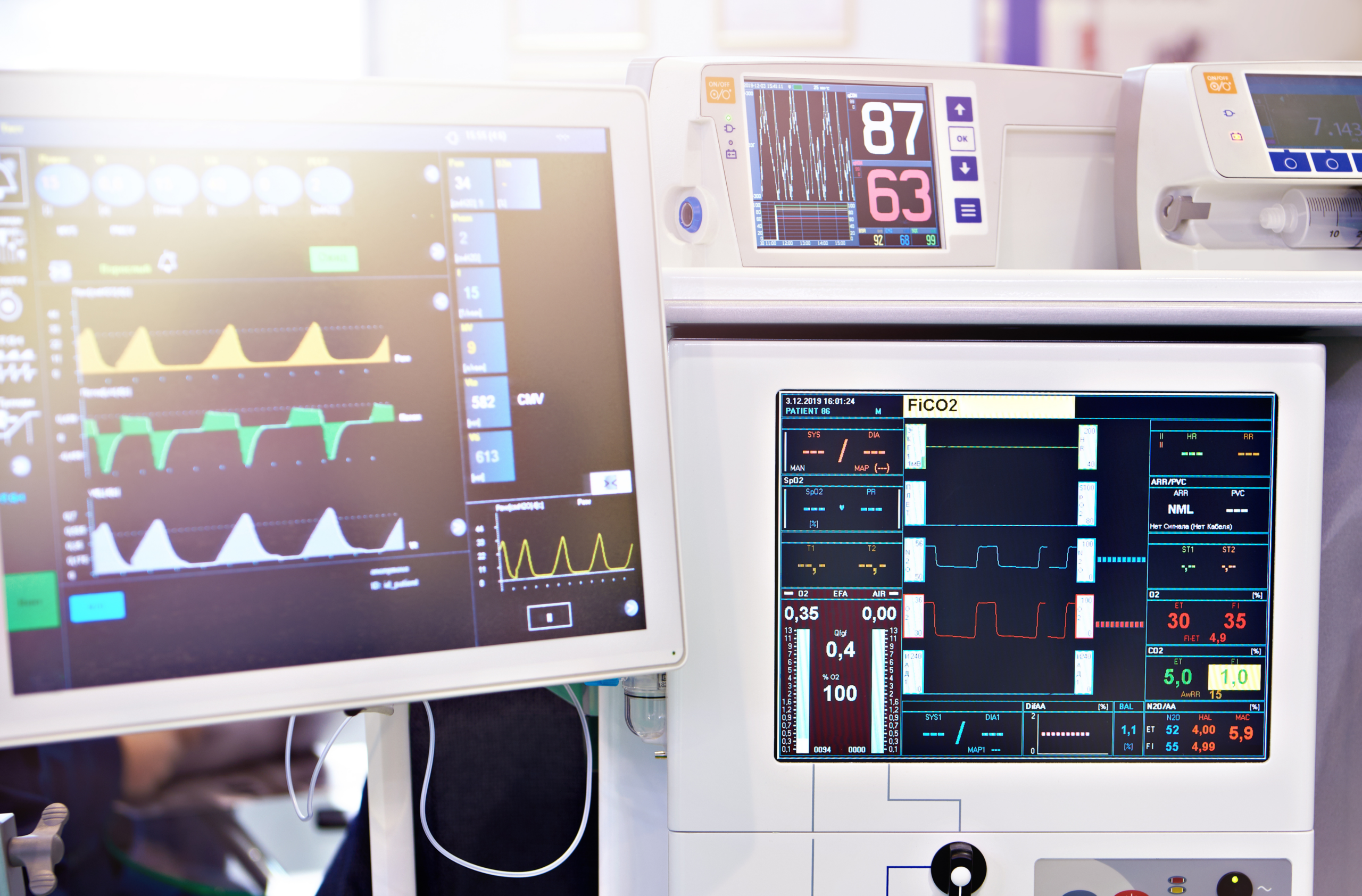
In modern healthcare, patient monitors play a vital role in assessing, tracking, and improving patient outcomes. These devices provide real-time data on a patient’s vital signs, allowing healthcare professionals to make rapid, informed decisions. However, not all patient monitors are the same—different types serve various clinical purposes, depending on patient needs and care environments.
This guide breaks down the main types of patient monitors and explains their clinical uses across hospital departments, outpatient facilities, and home care.
1. Multiparameter Patient Monitors (MPMs)
What They Are:
Multiparameter patient monitors are versatile devices capable of monitoring several vital signs simultaneously. They typically track heart rate, blood pressure, respiratory rate, oxygen saturation (SpO2), temperature, and sometimes invasive pressures and cardiac output.
Clinical Uses:
- Intensive Care Units (ICU) – Continuous monitoring of critically ill patients
- Operating Rooms (OR) – Real-time monitoring during surgery
- Emergency Rooms (ER) – Immediate assessment of incoming trauma patients
- Step-Down Units – Monitoring patients stable enough to leave ICU but still require close observation
Key Features:
- Touchscreen displays
- Alarm systems
- Data storage and trend analysis
- Connectivity to central monitoring stations
2. Cardiac (ECG/EKG) Monitors
What They Are:
Cardiac monitors specifically focus on the electrical activity of the heart. They provide real-time electrocardiogram (ECG or EKG) readings to detect arrhythmias, ischemia, and other cardiac abnormalities.
Clinical Uses:
- Cardiac Care Units (CCU)
- Post-surgical recovery rooms
- Cath labs
- Ambulances and mobile healthcare units
Key Features:
- Real-time heart rhythm monitoring
- ST-segment analysis
- Arrhythmia detection and alerts
- Holter monitoring (portable, 24-48 hour ECG recording)
3. Fetal and Maternal Monitors
What They Are:
These monitors are designed for obstetric use, tracking the vital signs of both the mother and fetus during pregnancy, labor, and delivery.
Clinical Uses:
- Labor and Delivery Units
- Prenatal care clinics
- High-risk pregnancy monitoring
Monitored Parameters:
- Fetal heart rate
- Uterine contractions
- Maternal blood pressure
- Maternal heart rate
Key Features:
- Non-invasive and invasive monitoring capabilities
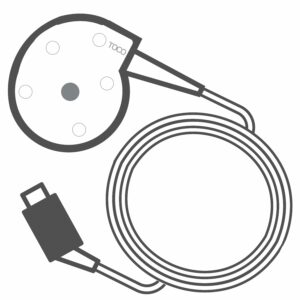
- Toco transducers for contraction measurement
- Event markers for clinical notes during labor
4. Capnography Monitors (EtCO2 Monitors)
What They Are:
Capnography monitors measure end-tidal carbon dioxide (EtCO2) — the concentration of carbon dioxide in exhaled air. This is a crucial indicator of respiratory status.
Clinical Uses:
- Anesthesia monitoring in OR
- Emergency departments
- ICU and procedural sedation
- EMS and pre-hospital care
Key Features:
- Continuous waveform capnography
- Numeric EtCO2 readings
- Early detection of hypoventilation or respiratory failure
5. Pulse Oximeters (SpO2 Monitors)
What They Are:
Pulse oximeters measure the oxygen saturation level in the blood (SpO2) and pulse rate. They are one of the most widely used non-invasive monitors.
Clinical Uses:
- General wards
- Home healthcare and sleep studies
- Operating rooms and recovery
- Emergency medicine
Key Features:
- Portable, handheld, and fingertip models
- Continuous or spot-check monitoring
- Alarms for low oxygen saturation levels
6. Blood Pressure (BP) Monitors
What They Are:
These devices measure systolic and diastolic blood pressure. Available in non-invasive (NIBP) and invasive (IBP) models, depending on the clinical setting.
Clinical Uses:
- General inpatient monitoring
- Surgical settings (invasive monitoring)
- Ambulatory care and clinics
Key Features:
- Automated or manual modes
- Integration with multiparameter monitors
- Trend data and alarms for abnormal readings
7. Neurological Monitors (EEG, ICP Monitors)
What They Are:
Neurological monitors measure brain activity or intracranial pressure (ICP) to assess neurological function and detect brain injuries or seizures.
Clinical Uses:
- Neurosurgical ICUs
- Epilepsy monitoring units
- Trauma care settings
Key Features:
- Continuous EEG waveform display
- ICP monitoring probes
- Alerts for abnormal brain activity or pressure changes
8. Wearable and Ambulatory Monitors
What They Are:
Designed for continuous monitoring outside traditional hospital settings, these portable devices allow patient mobility while tracking vital signs.
Clinical Uses:
- Home health monitoring
- Chronic disease management
- Post-operative care
Key Features:
- Wireless data transmission
- Battery-powered portability
- Remote physician access to real-time data
9. Central Monitoring Stations
What They Are:
Central monitoring stations receive data from multiple bedside or portable monitors, allowing healthcare teams to oversee many patients simultaneously from one location.
Clinical Uses:
- ICUs and large hospital wards
- Emergency departments
- Cardiac monitoring centers
Key Features:
- Real-time data aggregation
- Alarm management systems
- Integration with Electronic Health Records (EHR)
Why Patient Monitors Use Modular Components
Many modern patient monitors use a modular design, allowing healthcare providers to add or remove specific measurement modules based on patient needs and clinical requirements.
Benefits of Modular Systems:
- Customization: Clinicians can configure monitors with the exact parameters required, such as adding cardiac output or invasive blood pressure modules for critical patients.
- Cost-Effective: Facilities only purchase the modules they need, reducing unnecessary expenses.
- Scalability: Modules can be upgraded or replaced without purchasing an entirely new monitor, keeping technology current.
- Serviceability: Easier maintenance and repair as individual modules can be serviced or swapped out quickly.
Typical Modules Include:
- ECG
- SpO2
- Non-invasive and invasive blood pressure
- Capnography (EtCO2)
- Cardiac output
- Temperature
Modular systems are particularly common in intensive care and operating room settings, where patient conditions can rapidly change, requiring adaptable monitoring capabilities.
Major Patient Monitor Brands in the USA
Several trusted manufacturers dominate the U.S. patient monitoring market, known for their quality, reliability, and advanced technology features:
- Philips Healthcare – Offers IntelliVue and Efficia series monitors known for versatility, ease of use, and integration with hospital systems.
- GE Healthcare – Known for its CARESCAPE and DASH series, offering comprehensive monitoring solutions for critical care and portable use.
- Mindray – Offers cost-effective solutions like the BeneVision and Passport series that balance performance and value.
- Dräger – Well-regarded for high-end monitors often used in critical care and anesthesia settings.
- Nihon Kohden – Popular for its modular monitors and telemetry solutions, known for reliability in various healthcare environments.
- Spacelabs Healthcare – Provides robust monitoring solutions focused on modular designs and easy integration.
Choosing the right brand often depends on clinical needs, budget, service availability, and compatibility with existing systems.
Conclusion
Patient monitors are indispensable tools in modern healthcare, each designed with specific clinical applications in mind. From critical care and surgical suites to home healthcare, selecting the right type of patient monitor ensures accurate, real-time information vital for diagnosis, treatment, and patient safety.
Healthcare facilities should assess their clinical needs, patient populations, and technology integration goals when choosing monitors. Regular maintenance, software updates, and calibration are crucial to keeping these devices reliable and compliant.
Need help selecting or servicing patient monitors? Contact our team of experts for guidance, repairs, and sales support.