

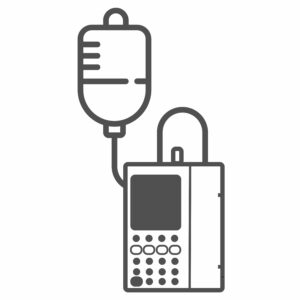




Infusion pumps play a crucial role in healthcare by delivering precise amounts of fluids, medications, and nutrients to patients. However, like any piece of medical equipment, they can develop issues over time. Failing to address these problems can lead to treatment errors, patient safety concerns, and costly replacements.
Regular maintenance and early detection of problems can save time, money, and, most importantly, lives. Below are the top signs that your infusion pump may need repairs—before it’s too late!
1. Inconsistent or Erratic Fluid Delivery
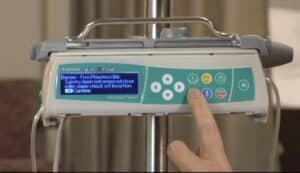
If your infusion pump is delivering inconsistent doses, fluctuating flow rates, or stopping unexpectedly, this is a red flag. Inaccurate delivery can lead to underdosing or overdosing, which can have serious health implications for patients.
Causes:
- Blocked or kinked tubing
- Faulty pump mechanisms
- Calibration errors
What to Do:
- Inspect tubing and connections for obstructions.
- Run a diagnostic test to check for internal malfunctions.
- Schedule a professional inspection if the issue persists.
2. Frequent Alarm Alerts or False Alarms
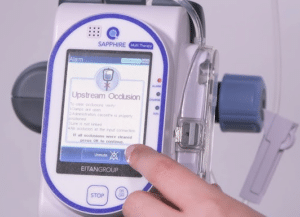
Infusion pumps come equipped with safety alarms to warn users of potential issues, such as occlusions, air-in-line detection, or battery failures. However, if your pump frequently sounds alarms without an apparent reason, it may indicate sensor malfunctions.
Causes:
- Faulty sensors or wiring issues
- Outdated software or firmware
- Improper calibration
What to Do:
- Check alarm logs to determine recurring issues.
- Ensure software and firmware are up to date.
- Contact a technician to diagnose and recalibrate the device.
3. Battery Failure or Power Issues
A well-functioning battery is critical for portable and emergency-use infusion pumps. If your device shuts down unexpectedly or struggles to hold a charge, it could lead to severe disruptions in treatment.
Causes:
- Old or degraded battery
- Faulty charging components
- Electrical connection failures
What to Do:
- Test battery life and replace aging batteries as needed.
- Inspect charging cables and ports for damage.
- Ensure the pump’s power source functions correctly.
4. Unresponsive or Malfunctioning Keypad
The keypad is the user interface that allows medical staff to program and adjust infusion settings. If buttons, touchscreen inputs, or display screens are slow or unresponsive, treatment accuracy could be compromised.
Causes:
- Wear and tear from frequent use
- Internal electrical or software failure
- Moisture or dirt affecting touch sensitivity
What to Do:
- Clean the keypad carefully with appropriate solutions.
- Reboot the pump to check for software glitches.
- Seek professional repair services if the problem persists.
5. Unusual Noises During Operation
Infusion pumps should operate quietly. If you notice excessive clicking, grinding, or buzzing sounds, it could indicate mechanical issues that may worsen over time.
Causes:
- Worn-out motor or drive mechanisms
- Internal component misalignment
- Air trapped in the system
What to Do:
- Inspect for loose components or obstructions.
- Run a system self-test to detect internal failures.
- Have a technician inspect and repair the pump if noises persist.
6. Fluid Intrusion and Corrosion from Improper Cleaning or Burst Lines

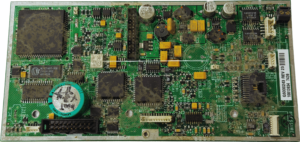
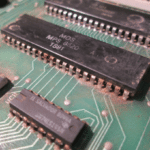
Fluid intrusion from an improperly cleaned pump or a burst fluid line can lead to corrosion, internal damage, and electrical failures. This issue is particularly dangerous as it can degrade sensitive components over time, leading to unpredictable pump behavior.
Causes:
- Improper cleaning techniques that allow fluid to enter sensitive areas.
- Burst or leaking fluid lines that introduce moisture into internal electronics.
- Exposure to corrosive cleaning agents.
What to Do:
- Follow manufacturer guidelines for approved cleaning solutions and proper cleaning procedures.
- Inspect fluid lines regularly for any cracks, leaks, or excessive moisture buildup especially during infusions longer than 6 hours.
- If fluid intrusion is detected, discontinue use and schedule an immediate professional repair.
7. Software or Firmware Malfunctions
Modern smart infusion pumps rely on software to manage settings, track usage, and alert users to potential issues. Outdated or malfunctioning software can cause errors, leading to unreliable performance.
Causes:
- Outdated firmware
- Corrupt software files
- Connectivity issues with wireless monitoring systems
What to Do:
- Regularly update firmware and software to the latest versions.
- Perform a factory reset if persistent glitches occur.
- Contact a certified technician if updates fail to resolve the problem.
8. Failure to Pass Self-Tests or Quality Control Checks
Many infusion pumps have built-in diagnostic tests to check their functionality. If your device fails these tests or quality control inspections, immediate servicing is required.
Causes:
- Internal component failure
- Calibration drift over time
- Sensor degradation
What to Do:
- Conduct routine self-tests and record any failure patterns.
- Schedule preventative maintenance and recalibration.
- Consider replacing aging equipment if failures are frequent.

Why Regular Maintenance is Essential
Ignoring early warning signs can lead to serious consequences, including:
- Patient safety risks due to incorrect dosing.
- Unplanned downtime that disrupts treatments.
- Increased repair costs or full replacement expenses.
- Compliance issues with healthcare regulations.
Routine inspections, software updates, and professional servicing can extend the lifespan of your infusion pumps and ensure they operate safely and efficiently.
When to Call a Professional Repair Service
If your infusion pump exhibits any of the above issues, it’s time to consult an expert. Professional repair services can:
- Conduct in-depth diagnostics.
- Perform component repairs or replacements.
- Ensure compliance with medical equipment safety standards.
- Provide preventive maintenance to avoid future failures.
Conclusion
Infusion pumps are vital tools in patient care, but they require regular maintenance and prompt repairs to function correctly. By recognizing these warning signs early, healthcare providers can prevent serious malfunctions and ensure the highest standard of patient safety.
If you’re experiencing any of these issues with your infusion pump, don’t wait—contact our expert repair team today for a professional inspection and servicing!