





In veterinary medicine, advancements in technology have significantly enhanced the ability to provide precise, safe, and effective care for animals. One of the most valuable tools in modern veterinary clinics is the intravenous (IV) pump, a device commonly used in human medicine but increasingly important in the treatment of pets and other animals. IV pumps provide precise fluid and medication delivery, allowing veterinarians to better manage hydration, administer medications, and improve overall care outcomes.
Why Vet IV Pumps Matter in Veterinary Medicine
Veterinarians often face challenges in administering fluids and medications to animals. Unlike humans, animals can’t communicate how they feel, making it more difficult to monitor their hydration and response to treatments. This is where IV pumps come into play. They automate the delivery of fluids and medications, ensuring the proper dosage is administered at a consistent rate. Here are some key benefits of using IV pumps in veterinary settings:
1. Precise Fluid and Medication Delivery
One of the biggest advantages of IV pumps is their ability to deliver precise amounts of fluids and medications. Whether treating dehydration, administering pain relief, or providing life-saving medications, accuracy is critical. IV pumps reduce the margin of error, ensuring that the exact dosage is delivered based on the animal’s weight and specific health condition. This precision is essential for small animals like cats and rabbits, where even slight variations in dosage can be harmful.
2. Consistent Infusion Rates
Manual IV drips rely on gravity, which can lead to inconsistencies in the flow rate due to various factors such as movement or changes in pressure. IV pumps eliminate these inconsistencies by maintaining a constant, controlled infusion rate. This stability ensures that animals receive the necessary fluids or medications without fluctuations, which can be particularly important in critical care situations.
3. Improved Monitoring and Management
IV pumps offer better monitoring capabilities than traditional methods. Many pumps feature built-in alarms that alert veterinarians or technicians if there is a blockage, if the fluid bag is empty, or if the pump is malfunctioning. This improves the ability to monitor an animal’s treatment in real-time, allowing for immediate adjustments when needed.
4. Reduced Stress on Veterinary Staff
By automating fluid and medication administration, IV pumps reduce the need for constant manual intervention by veterinary staff. This not only decreases the risk of human error but also frees up staff to focus on other critical tasks, such as monitoring the animal’s overall condition and providing hands-on care. In busy veterinary practices, this can improve efficiency and workflow significantly.
5. Versatility for Different Species and Sizes
IV pumps can be used across a wide range of animal species and sizes, from small household pets to large animals like horses. They offer customizable settings that allow veterinarians to adjust flow rates, making them adaptable to the specific needs of different patients. This versatility makes IV pumps an invaluable tool for any veterinary practice that treats a variety of animals.
Common Applications of IV Pumps in Veterinary Clinics
Veterinarians use IV pumps in several key scenarios:
- Hydration Therapy: Dehydration is a common issue in sick animals, particularly those suffering from gastrointestinal issues, infections, or post-surgical recovery. IV pumps ensure that fluids are administered accurately to restore hydration levels without overwhelming the animal’s system. Check out our veterinary IV pumps for hydration therapy.
- Pain Management: Animals recovering from surgery or dealing with chronic pain conditions often require regular doses of pain medication. IV pumps allow veterinarians to deliver pain relief consistently, ensuring the animal stays comfortable without the need for frequent injections. Explore IV pumps for pain management in veterinary care.
- Critical Care and Emergencies: In emergencies, such as shock or trauma, animals need rapid and precise administration of fluids and medications. IV pumps are vital in these situations, delivering life-saving treatments quickly and accurately. View our range of critical care IV pumps for veterinarians.
- Anesthesia Management: During surgery, maintaining proper anesthesia levels is crucial to keeping the animal stable. IV pumps provide controlled delivery of anesthesia, ensuring the animal stays sedated throughout the procedure without complications. Learn more about IV pumps for anesthesia management.
Choosing the Right IV Pump for Your Veterinary Practice
Not all IV pumps are created equal, and choosing the right one for your veterinary clinic can make a significant difference in patient care. Here are some factors to consider:
- Ease of Use: Look for IV pumps that are easy to program and operate. Veterinary clinics are often fast-paced environments, and a user-friendly interface can save valuable time and reduce the risk of errors.
- Safety Features: Built-in safety mechanisms, such as air-in-line detectors and occlusion alarms, are essential for preventing complications during fluid or medication delivery.
- Portability: In larger animal hospitals or mobile veterinary practices, a portable IV pump can be a major advantage. Look for pumps that are lightweight and easy to move between different treatment areas.
- Battery Life: For portable or mobile practices, battery-operated IV pumps with long-lasting power are ideal. This ensures uninterrupted care, even in cases where access to power may be limited.
The Future of Veterinary Care with IV Pumps
As veterinary care continues to evolve, the use of IV pumps is likely to expand. The growing demand for better treatment options for pets, combined with advancements in veterinary technology, positions IV pumps as an essential tool for clinics aiming to provide the highest level of care. Whether for routine procedures or emergency interventions, IV pumps offer precision, reliability, and efficiency that improve outcomes for both pets and veterinary staff.
IV pumps have revolutionized the way veterinarians provide treatment, particularly in areas requiring precise fluid and medication administration. For veterinary clinics looking to improve the quality of care, investing in IV pump technology is a crucial step. Not only do these devices enhance patient safety and comfort, but they also streamline clinic operations, allowing veterinary teams to work more effectively.
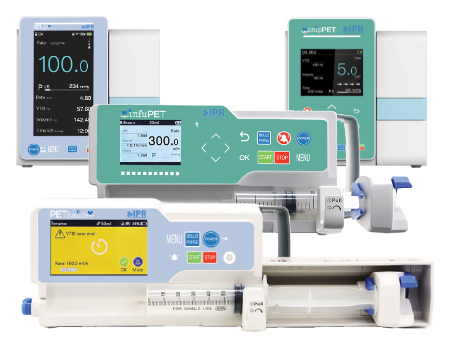
At IPR Medical, we offer a range of IV pumps designed to meet the specific needs of veterinarians. From portable models for mobile practices to advanced options with enhanced safety features, our products are built to support your clinic’s mission of providing the best possible care for animals.
For more information about our veterinary IV pumps, visit the link below: