

GE CARESCAPE PDM Patient Data Module | DINAMAP, 12-Lead ECG
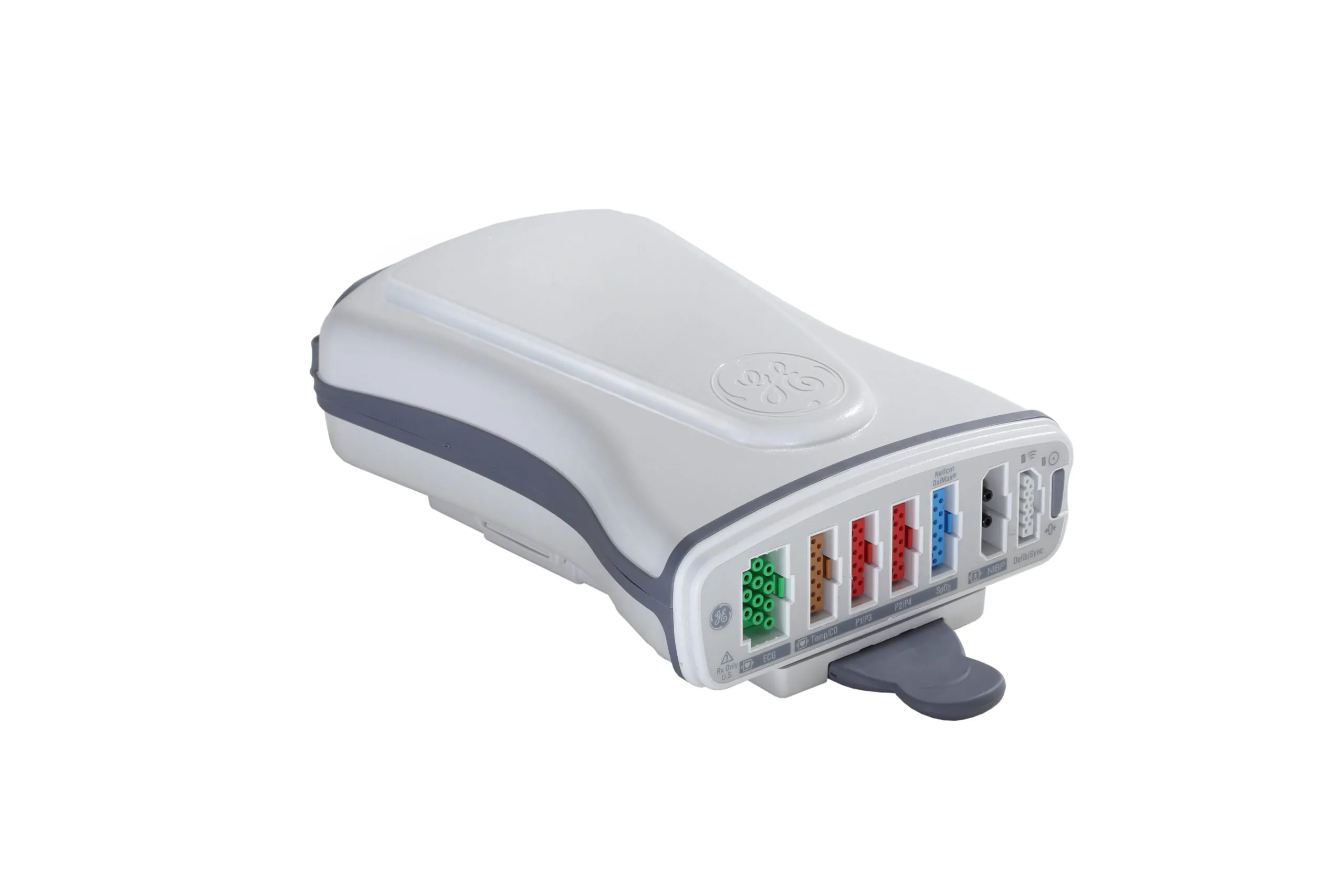
The GE CARESCAPE Patient Data Module (PDM) is a transportable, self-powered acquisition module that captures all hemodynamic monitoring data from the patient and stays with them throughout intra-hospital transport. The PDM docks into the GE CARESCAPE B450, B650, and B850 host monitors, the Solar 8000 family, and the Transport Pro device — collecting 3-, 5-, 6-, and 10-leadwire ECG with 12SL diagnostic 12-lead and optional 12RL derived 12-lead, EK-Pro four-lead arrhythmia, DINAMAP SuperSTAT NIBP, up to 4 invasive pressures, 2 temperatures, optional cardiac output, and SpO2 (Masimo SET or Nellcor OxiMax). Its onboard lithium-ion battery, 24-hour data buffer, and ability to power the Transport Pro during low-battery conditions make it the GE platform’s answer to data continuity during patient movement.
| Module Type | Docking acquisition module with onboard battery and data storage |
| Parameters Acquired | ECG, respiration, NIBP, SpO2, temperature (2), invasive pressure (up to 4), cardiac output |
| Patient Population | Adult, pediatric, neonatal — one patient at a time |
| Compatible Host Monitors | CARESCAPE B450, B650, B850; Solar 8000 / 8000M / 8000i; Transport Pro |
| Battery / Portability | Removable Li-Ion 11.1 V, 1.8 Ah; ~1.5 hour runtime; 2.9 lbs with battery |
| Notable Features | 12SL diagnostic ECG, optional 12RL derived 12-lead, DINAMAP SuperSTAT NIBP, EK-Pro four-lead arrhythmia, 24-hour data storage with 36 arrhythmia events |
IPR Medical buys, sells, repairs, and stocks parts for the GE CARESCAPE PDM. Contact us at 855-477-8866 or cs@iprmed.com.
GE CARESCAPE PDM — Specifications
| Manufacturer | GE HealthCare |
| Model | CARESCAPE Patient Data Module (PDM); also referred to in GE service literature simply as “Patient Data Module” or “PDM” |
| SpO2 Configuration Variants | Available with Masimo SET, Nellcor OxiMax, or no SpO2 (basic hemodynamic configuration). SpO2 technology is fixed at the SpO2 board level and cannot be field-converted between technologies. |
| Device Classification | Patient data acquisition module for use with GE host monitors; multi-parameter physiological monitoring |
| Intended Use | Bedside and intra-hospital transport patient monitoring as an acquisition device docked to a compatible CARESCAPE or Solar host monitor; not intended for use during MRI |
| Patient Categories | Adult, pediatric, neonatal — one at a time |
| Compatible Host Monitors | CARESCAPE B450, B650, B850; Solar 8000, 8000M, 8000i; Transport Pro. Performance and feature availability depend on the host software. |
| Software Versions | PDM software has progressed through multiple releases including v2.0, v2.6, and later. PDM v2.6 has a known apnea alarm issue with B850 v2.0.7 host software. See the Description Tab for full software/platform detail. |
| Data Storage | 24 hours of patient data; 36 arrhythmia events; 10 ST segments; 20 cardiac calculations; 10 pulmonary calculations |
| ECG Leadwires Supported | 3, 5, 6, and 10 leadwires (Multi-Link 11-pin connector) |
| ECG Leads Available | I, II, III, V1 to V6, aVR, aVL, aVF; up to 12 leads analyzed simultaneously; 12SL diagnostic ECG; optional 12RL derived 12-lead |
| ECG Display Bandwidth | Diagnostic 0.05–100 Hz; Monitoring 0.05–32 Hz (50 Hz mains) or 0.05–40 Hz (60 Hz mains); Moderate 0.05–22 Hz; Maximum 5–25 Hz; 12SL diagnostic 0.05–150 Hz |
| Heart Rate | QRS detection range ± 0.5 to ± 5 mV; HR range 30–300 bpm; common-mode rejection ≥ 90 dB at 60 Hz; sampling 240/sec monitoring, 500/sec diagnostic |
| Arrhythmia Analysis | EK-Pro four-lead simultaneous analysis; full, lethal-only, or no arrhythmia mode; PVC range 0–300 PVCs/min on CARESCAPE host (1–100 PVCs/min on Solar host) |
| ST Segment Analysis | Measured at user-selectable points (0, 30, 40, 50, 60, 80 ms after J-point); range -12.0 to 12.0 mm; ST accuracy ± 0.3 mm or 20%; 16-beat averaging; QT range 100–900 ms; QT accuracy ± 30 ms |
| Pace Detection | Input voltage range ± 2 to ± 700 mV; pulse width 0.1–2 ms; rise time 0–100 µs; sensitivity ≥ 0.5 mV peak; 5 V, 2 ms pacemaker marker pulse summed with ECG analog output |
| Defibrillation Protection | 5000 V, 360 J; defibrillator sync delay < 35 ms |
| Respiration | Impedance variation through ECG leadwires; range 1–200 breaths/min; accuracy ± 1 breath/min (0–120) or ± 3 breaths/min (121–200); No Breath alarm 3–30 sec; static impedance 100–1500 Ω at 52.7 kHz |
| NIBP Algorithm | DINAMAP SuperSTAT, oscillometric; manual, auto, and stat modes; total cycle time 20–40 seconds typical |
| NIBP Pressure Range | Adult systolic 30–290 mmHg, diastolic 10–220 mmHg, MAP 20–260 mmHg; Pediatric systolic 30–240 mmHg, diastolic 10–200 mmHg, MAP 20–215 mmHg; Neonatal systolic 30–140 mmHg, diastolic 10–110 mmHg, MAP 20–125 mmHg |
| NIBP Accuracy | Static ± 2% or ± 3 mmHg whichever is greater; clinical mean error ± 5 mmHg, standard deviation 8 mmHg |
| NIBP Cuff Pressure / Overpressure | Cuff pressure 0–290 mmHg adult, 0–250 mmHg pediatric, 0–145 mmHg neonatal; auto deflation if cycle > 2 minutes (85 sec neonatal) or pressure exceeds 290/250/145 mmHg |
| SpO2 Technologies | Masimo SET (LNOP and LNCS sensors) or Nellcor OxiMax (digital probes only); fixed at the PDM SpO2 board level |
| SpO2 Range | 1–100% (both variants); Masimo SET pulse rate 25–240 bpm; Nellcor OxiMax pulse rate 20–300 bpm; accuracy ± 2 (adult, no motion) and ± 3 (with motion or neonatal) |
| Invasive Pressure | Up to 4 channels (with appropriate cables); ART, FEM, PA, CVP, LA, RA, ICP, UAC, UVC, SP sites; range -98 to 349 mmHg on CARESCAPE host (-25 to 349 mmHg on Solar host); accuracy ± 2% or ± 1 mmHg |
| Temperature | Up to 2 channels (with Y-adapter cable); YSI 400 or 700 series probes; range 32–113 °F; accuracy ± 0.2 °F (YSI 400) or ± 0.5 °F (YSI 700) |
| Cardiac Output (Optional) | Thermodilution method; CO range 0.2–15 L/min; blood temp 62.6–107.6 °F (accuracy ± 0.4–0.9 °F); injectate temp 32–86 °F (accuracy ± 0.6 °F); 5/6/7/7.5/8 French catheter sizes; 3/5/10 ml injectate volumes |
| Power | Powered by docked host monitor; runs on internal Li-Ion battery during transport; cooling by natural convection; heat dissipation 15.36 BTU/hour |
| Battery | Removable lithium-ion (OEM P/N 2031069-003); 11.1 V nominal; 1.8 Ah nominal; charge time approximately 2.5 hours; runtime approximately 1.5 hours new and fully charged; 300 cycles to 60% capacity |
| Operating Temperature | 50 to 95 °F |
| Storage Temperature | -40 to 140 °F |
| Relative Humidity | 15 to 95% non-condensing (operating and storage) |
| Dimensions (H x W x D) | 2.75 x 5.75 x 8.5 in |
| Weight | 2.4 lbs without battery; 2.9 lbs with battery |
| Mounting | Docking rails for direct mounting to CARESCAPE B450 / B650 / B850 host frames, Solar 8000 modules, and Transport Pro device; PDM mount rail and pull-tab assembly (OEM P/N 2031069-004) provides the slide-and-lock mechanism over the transport dock |
| FDA 510(k) Clearance | K071073, cleared May 29, 2007 |
| FDA Product Code | MHX (Monitor, Physiological, Patient with arrhythmia detection or alarms) |
| FDA Device Corrections | The PDM has been the subject of multiple FDA Class 2 corrections, including a 2014 ECG calculation issue following quick disconnect/reconnect (Z-0060-2015), the 2015 Bx50/PDM/CIC pacemaker detection issue (Z-1606-2015), and a 2017 PDM v2.6 apnea alarm issue with CARESCAPE B850 v2.0.7 host software. See the Description Tab for full detail and recommended actions. |
IPR Medical buys, sells, repairs, and stocks parts for the GE CARESCAPE PDM. Contact IPR Medical at 855-477-8866 or cs@iprmed.com with service or software questions.
Trademark Notice: GE HealthCare, Masimo, Nellcor, and all other brand names, model names, and part numbers shown are trademarks of their respective owners and are used on this page only to identify the original manufacturer’s equipment offered here, consistent with nominative fair use. This listing is offered by IPR Medical, an ISO 9001:2015-certified independent service organization, and is not sponsored by, affiliated with, or endorsed by GE HealthCare, Masimo, or Nellcor.
Overview
The GE CARESCAPE Patient Data Module — referred to throughout GE service literature as the PDM — is the transportable acquisition module at the heart of the CARESCAPE and Solar 8000 patient monitoring platforms. It was FDA-cleared in May 2007 (510(k) K071073) as a small, self-powered unit that docks into a host monitor at the bedside, captures all of the patient’s hemodynamic and respiratory data, and stays with the patient when they need to move. Unlike a traditional cabled multi-parameter front end, the PDM travels with the patient: it lifts off the bedside CARESCAPE B450, B650, or B850 host frame (or off a Solar 8000 module slot) with a single pull-tab release, snaps into the Transport Pro device for the transport leg, and snaps back into the destination host monitor on arrival — refreshing the patient’s record from the data captured during transit and eliminating the time-consuming ECG template resets and critical-data gaps that the cabled approach forces. GE describes the PDM as the platform’s solution for “uninterrupted clinical intelligence before, during and after intra-hospital transport.” Its parameter set — 12SL diagnostic 12-lead ECG, EK-Pro four-lead arrhythmia, DINAMAP SuperSTAT NIBP, optional 12RL derived 12-lead, up to 4 invasive pressures, 2 temperatures, optional thermodilution cardiac output, and Masimo SET or Nellcor OxiMax SpO2 — covers every parameter a high-acuity patient is likely to need in transport from OR to ICU to step-down.
Physical Design and Docking
The PDM is small by design. It measures 2.75 x 5.75 x 8.5 inches, weighs 2.9 lbs with battery (2.4 lbs without), and is sized to fit the patient’s bedrail without dominating it. Cooling is by natural convection — there are no fans — which minimizes both noise and a common service failure point. The front face of the PDM carries all patient connectors (ECG, NIBP, SpO2, IBP/temperature) plus the Masimo or Nellcor SpO2 connector specific to the unit’s SpO2 variant; the back face carries the docking rails and ePort connector that mate with the host monitor. Docking is mechanical: a slide-and-lock mount rail and pull-tab assembly (OEM P/N 2031069-004) engages the rails on the host frame or Transport Pro and locks the PDM in place. A single pull-tab releases the lock for transport. Because the PDM is a cardiovascular Class 2 device that connects directly to ECG and IBP leads, defibrillation protection is built in at 5000 V / 360 J with a sync delay under 35 ms, so the PDM can stay docked during external defibrillation without needing to be unplugged. The unit is not intended for use during MRI.
Clinical Measurements and Module Support
The PDM acquires ECG via the standard GE Multi-Link 11-pin connector and supports 3, 5, 6, and 10 leadwires across leads I, II, III, V1 through V6, aVR, aVL, and aVF — up to 12 leads analyzed simultaneously. The 12SL diagnostic ECG algorithm and EK-Pro four-lead arrhythmia analysis run inside the PDM itself, so a 12-lead diagnostic ECG and continuous arrhythmia monitoring stay valid through dock changes and during transport. The optional 12RL derived 12-lead algorithm reconstructs a diagnostic 12-lead from a smaller number of physical leads — useful when full electrode placement is impractical. NIBP uses the DINAMAP SuperSTAT algorithm with stepped deflation and peak-matching to reject motion artifact, and supports manual, auto, and stat modes with a 20 to 40 second typical cycle time. Up to four invasive pressure channels are available with appropriate cables, supporting arterial, femoral, pulmonary artery, central venous, right and left atrial, intracranial, umbilical artery and vein, and special-pressure sites. The two temperature channels accept YSI 400 or 700 series probes via a Y-adapter cable. Optional thermodilution cardiac output covers a range of 0.2 to 15 L/min with 5, 6, 7, 7.5, and 8 French catheter compatibility and 3, 5, and 10 ml injectate volumes. SpO2 is fixed at the SpO2 board level: each PDM ships configured for either Masimo SET (with LNOP and LNCS sensor families) or Nellcor OxiMax (digital probes only — older Nellcor R-cal resistor-id probes are not compatible). All measured data is buffered locally in the PDM with 24 hours of patient data, 36 arrhythmia events, 10 ST segments, 20 cardiac calculations, and 10 pulmonary calculations — enough to bridge the longest typical transport without losing context.
Software Versions and Platform Evolution
The PDM has shipped under multiple software revisions during its lifecycle. Major releases include v2.0, v2.6, and later revisions that align with the host CARESCAPE B450/B650/B850 software releases. The PDM software revision matters operationally because it must be compatible with the host monitor’s main software — for example, GE’s pre-installation checkout procedure identified that PDM v2.6 paired with CARESCAPE B850 v2.0.7 host software could fail to produce an impedance respiration apnea alarm, which is the basis of the 2017 field correction discussed in the FDA section below. The PDM software also gates certain feature behaviors at the host, such as which arrhythmia families are surfaced, which derived 12-lead options are available, and how trend data is reconciled when the PDM re-docks after transport. Because the PDM is a fully cleared FDA Class 2 device on its own (510(k) K071073, cleared May 29, 2007 with the product code MHX), software updates flow through GE service channels and require an authorized GE service representative or qualified biomed to apply. Biomed teams reconciling a fleet of PDMs should record each unit’s PDM software revision, SpO2 technology variant (Masimo SET, Nellcor OxiMax, or no SpO2), invasive pressure channel count (0, 2, or 4), and temperature/cardiac output option presence; these four attributes together determine compatibility with a given host monitor build and which FRUs apply.
Portability and Power
The PDM is purpose-built for movement. When docked into a host monitor or the Transport Pro device, it is powered through the docking interface; when undocked for transport between locations, it runs on its onboard removable lithium-ion battery (OEM P/N 2031069-003, 11.1 V nominal, 1.8 Ah nominal). Charge time is approximately 2.5 hours, runtime is approximately 1.5 hours when new and fully charged, and rated battery life is 300 cycles to 60% of original capacity. Critically — and this is one of the PDM’s defining workflow features — the PDM can power the Transport Pro device itself in the event the Transport Pro’s own battery is low or missing, ensuring monitoring continuity during the transport leg even when transport hardware fails. The universal U85070 battery charger (OEM P/N 2083287-002 from the GE Service Shop) is shared with the Dash and Flex platform batteries and provides programmable charge voltage from 10.8 to 13.2 V with a 2 A maximum discharge current. The internal battery, battery door and tray (OEM P/N 2031069-002), and battery housing are all field-replaceable units that biomed teams can swap without sending the PDM out for OEM service.
Trending, Event Surveillance, and Data Continuity
The PDM’s onboard memory holds 24 hours of patient data plus 36 arrhythmia events, 10 ST segments, 20 cardiac calculations, and 10 pulmonary calculations. This local buffer is what makes the PDM’s transport workflow defensible from a clinical-record perspective — when the PDM is undocked from the bedside B650, carried with the patient through the hallway, and re-docked at the destination B850, the destination host pulls the buffered data from the PDM and refreshes the patient’s record so that the trend line is unbroken. The arrhythmia analysis itself is GE’s EK-Pro four-lead simultaneous algorithm, which runs continuously while the PDM is powered and surfaces alarms through the host monitor or Transport Pro speaker. ST segment deviation is measured at user-selectable points (0, 30, 40, 50, 60, or 80 ms after the J-point) on every acquired lead, with a measurement range of -12.0 to 12.0 mm and 16-beat averaging — well-suited for serial ST monitoring during PCI recovery or post-MI observation. The PVC range is 0 to 300 PVCs/minute when paired with a CARESCAPE host (1 to 100 PVCs/minute on the older Solar host, where the host imposes the lower ceiling). Cardiac calculations and pulmonary calculations are performed when the necessary input data — invasive pressures, cardiac output, blood gas inputs from the host — is available.
Service and Maintenance Considerations
Because the PDM rides through the harshest portions of a patient’s hospital stay — getting bumped during transport, sprayed during cleaning, plugged and unplugged dozens of times per shift — the wear pattern on a PDM fleet is heavy at the connector level. The most common service interventions are NIBP pneumatics (pump, manifold hose, coupling, elbow — covered by the PDM NBP assembly with manifold hose ROHS, OEM P/N 2031069-043, equivalent to 2031069-007), the front bezel and connector ports (which take the brunt of cabling stress), the battery and battery door, the mount rail and pull-tab mechanism (OEM P/N 2031069-004), and the internal flex circuits (OEM P/N 2031069-015, equivalent to 2031070-006, which carries the UI connection, update, acquisition, and main flex). The PDM service adapter is the GE-specified tool for software updates and configuration; service procedures route through the ePort connector on the bottom of the PDM rather than through the host monitor’s network port. Routine cleaning of the expansion interface uses sodium hypochlorite wipes per the GE service manual, with explicit cautions to avoid spraying fluid into the connector, to blot rather than pool liquid around the pins, and to allow the connector to air-dry for at least 30 minutes after wet cleaning. The expansion interface itself is not waterproof — only the patient-facing front of the PDM is rated for drip exposure.
FDA Device Corrections and Safety Bulletins
The PDM has been the subject of multiple FDA-recognized device corrections during its lifecycle. The most clinically significant recall directly affecting the PDM is event Z-0060-2015 (Class 2), initiated by GE Healthcare on September 19, 2014. GE identified a potential safety issue with ECG calculations following a disconnect/reconnect cycle of the PDM with CARESCAPE Bx50 monitors: if the PDM was quickly disconnected and reconnected — within less than 10 seconds — following a patient discharge or during active monitoring, the ECG waveform and calculations could behave incorrectly. GE distributed an Urgent Medical Device Correction letter (Ref# 336107, dated September 18, 2014) to Directors of Biomedical Engineering, Chiefs of Nursing, and Healthcare Administrators / Risk Managers describing the safety issue, instructions, and product correction. A separate but related Class 2 recall (event Z-1606-2015, May 2015) addressed the well-known pacemaker detection behavior in certain combinations of Bx50 monitors, the PDM, and CIC Pro/CSCS central stations, in which heart rate could be calculated from pacer pulses without the “pacer off” message displaying and asystole alarms might not annunciate. A 2017 field correction in Australia (TGA RC-2017-RN-00873-1, July 20, 2017) covered PDM software v2.6 paired with CARESCAPE B850 v2.0.7 host software, in which an impedance respiration apnea alarm could not be produced — GE corrected affected products at no cost. More recent 2024 and 2025 GE corrections affecting the broader CARESCAPE family (CPU timekeeper battery loss-of-monitoring after mains power loss, and the October 2025 recall RA-78359 addressing potential loss of monitoring on B450, CARESCAPE ONE, and B1x5 monitors when powered by certain batteries) also indirectly affect PDM-equipped systems because the PDM operates as the acquisition front end on those host monitors.
Because FDA device corrections and safety communications may be updated or expanded after the date of this listing, IPR Medical recommends that facilities also check the FDA’s official resources directly to ensure they have the most current information.
FDA resources for further review:
FDA Medical Device Recalls Database |
FDA Medical Device Safety
IPR Medical — Buy, Sell, Repair, and Parts
IPR Medical is a secondary-market specialist in GE HealthCare patient monitoring equipment, including the full CARESCAPE Patient Data Module platform. We buy used and surplus PDMs, sell tested and biomed-evaluated PDM inventory configured for the SpO2 technology your fleet standardizes on (Masimo SET or Nellcor OxiMax) and the parameter combination you need (basic hemodynamic, with cardiac output, with up to 4 IBP channels), perform repairs at the board and assembly level (CPU, SpO2 board, NIBP pneumatics, mount rail, battery housing, top housing, bezel and front connectors, flex assemblies), and stock the most-requested OEM and OEM-equivalent parts directly from the GE HealthCare Service Shop catalog. Whether you need a single replacement battery, a NIBP manifold rebuild, a mount rail and pull-tab kit, a fleet of PDMs for a hospital expansion, or a buyer for decommissioned PDMs from a CARESCAPE fleet retirement, our team can talk through the SpO2 variant, parameter combination, software revision, and host-monitor compatibility needed for a clean swap.
IPR Medical buys, sells, repairs, and stocks parts for the GE CARESCAPE PDM. Contact IPR Medical at 855-477-8866 or cs@iprmed.com with service or software questions.
Trademark Notice: GE HealthCare, Masimo, Nellcor, and all other brand names, model names, and part numbers shown are trademarks of their respective owners and are used on this page only to identify the original manufacturer’s equipment offered here, consistent with nominative fair use. This listing is offered by IPR Medical, an ISO 9001:2015-certified independent service organization, and is not sponsored by, affiliated with, or endorsed by GE HealthCare, Masimo, or Nellcor.
| Weight | 20 lbs |
|---|---|
| Dimensions | 7 × 17 × 15 in |
| Product Condition |
Compatible Parts and Accessories
IPR Medical stocks a range of compatible parts and accessories for the GE CARESCAPE PDM. The sections below cover the most commonly requested components with OEM part numbers as listed in the GE HealthCare Service Shop. Many board-level FRUs vary by SpO2 technology variant (Masimo SET or Nellcor OxiMax) and by parameter combination (basic, with cardiac output, with 2 or 4 IBP channels). Contact us at 855-477-8866 or cs@iprmed.com to confirm availability, pricing, or compatibility for your specific configuration.
ECG Trunk Cables and Leadsets
| ECG Trunk Cable, 3-Lead, DIN Connect (2017004-001) | Multi-Link 11-pin trunk cable for 3-lead ECG with DIN-style leadwire connection. |
| ECG Trunk Cable, 5-Lead, DIN Connect (2017003-001) | Multi-Link 11-pin trunk cable for 5-lead ECG with DIN-style leadwire connection. |
| ECG Trunk Cable, 5-Lead, 8 ft (2022948-002) | Extended-length 5-leadwire trunk cable. |
| ECG Trunk Cable, 10-Lead, 7 ft (2017006-001) | 10-lead trunk cable for 12SL diagnostic ECG. |
| ECG Leadwire Sets (AHA / IEC) | 3-, 5-, 6-, and 10-lead leadsets in AHA or IEC color coding, snap or grabber terminations. Contact IPR Medical for the OEM part number matching your standard, length, and termination. |
SpO2 Sensors and Cables
| Masimo SET Sensors and GE Adapter Cables | For PDM units configured with the Masimo SET SpO2 variant. LNOP and LNCS sensor families across adult, pediatric, infant, and neonatal sites with GE-keyed adapter cables. Contact IPR Medical for the specific OEM part number matching your sensor family. |
| Nellcor OxiMax Sensors and Adapter Cables | For PDM units configured with the Nellcor OxiMax SpO2 variant. Compatible with Nellcor OxiMax MAX-series digital probes only — older Nellcor R-cal (resistor-id) probes and RS-10/Oxisensor II sensors are not compatible. Contact IPR Medical for the specific OEM part number matching your sensor family. |
NIBP Cuffs, Hoses, and Pneumatics
| DINAMAP / DURA-CUF Reusable NIBP Cuffs | GE OEM reusable cuffs across neonatal, infant, child, small adult, small adult/child, adult, large adult, and adult thigh sizes. Contact IPR Medical for the specific OEM part number matching your size and connector. |
| SOFT-CUF Single-Patient NIBP Cuffs | GE OEM single-patient-use cuffs across neonatal, child, pediatric, small adult, adult, and large adult sizes. Contact IPR Medical for the specific OEM part number matching your size and connector. |
| PDM NIBP Manifold Hose, Coupling, Elbow (2031069-008) | FRU PDM NBP manifold logic device hose, coupling, and elbow only. |
| PDM NIBP Assembly with Manifold Hose, ROHS (2031069-043) | FRU PDM NBP assembly with manifold hose, ROHS-compliant; equivalent to 2031069-007. |
Invasive Pressure Adapters and Temperature Probes
| IBP Adapter Cable, GE 11-Pin to BD Connector (700077-001) | Flat 11-pin to BD-style transducer connector, 13 ft. |
| IBP Adapter Cable, GE 11-Pin to Utah Connector (700078-001) | Flat 11-pin to Utah-style transducer connector, 13 ft. |
| IBP Adapter Cable, GE 11-Pin to Medex Abbott (700075-001) | Flat 11-pin to Medex/Abbott-style transducer connector, 13 ft. |
| IBP Adapter Cable, GE 11-Pin to B. Braun (22339301) | Flat 11-pin to B. Braun-style transducer connector, 13 ft. |
| YSI 400-Series Reusable Skin Temperature Probe (9445-008) | Adult reusable skin temperature sensor, mono plug, 9 ft. |
| YSI 400-Series Reusable Rectal Temperature Probe (9445-004) | Adult reusable rectal/esophageal temperature probe, mono plug, 9 ft. |
| Temperature Y-Adapter Cable, YSI 400 (YSI400) | Dual-female mono plug to PDM rectangular dual-pin adapter for two-channel temperature monitoring. |
| Temperature Y-Adapter Cable, YSI 700 (YSI700) | Dual-female mono plug to PDM rectangular dual-pin adapter for two-channel YSI 700 temperature monitoring. |
Power and Battery
| CARESCAPE PDM Battery, Lithium-Ion (2031069-003) | FRU PDM battery; rechargeable lithium-ion; 11.1 V nominal, 1.8 Ah; approximately 1.5 hours runtime when new and fully charged; 2.5 hour charge time. |
| PDM Battery Door and Tray (2031069-002) | FRU PDM battery door and tray assembly. |
| Battery Charger U85070 with User Instructions (2083287-002) | FRU universal battery charger compatible with Dash, PDM, Flex, and Lite module batteries; programmable charge voltage 10.8–13.2 V; 2 A maximum discharge current. |
Field-Replaceable Units (FRU)
| PDM Top Housing (2031069-009) | FRU PDM top housing assembly, comprising the top housing, sealed cover, gasket, nuts, and screws. |
| PDM Mount Rail and Pull Tab (2031069-004) | FRU PDM mount rail and pull-tab assembly, comprising left and right latches, lever assemblies, lock frame, slide, handle, extension spring, label, screw, and latch stop. Provides the slide-and-lock mechanism for docking the PDM to host monitors and the Transport Pro device. |
| PDM Flex Assembly — UI, Connection, Update, Acquisition, Main (2031069-015) | FRU PDM flex assembly carrying the UI connection, update, acquisition, and main internal flex circuits; equivalent to 2031070-006. |
| PDM CPU / Processor Board | FRU PDM main processor board carrying the host processor, NIBP processor, system memory, and acquisition interface. Contact IPR Medical for the specific OEM part number matching your PDM revision. |
| PDM SpO2 Board (Masimo SET or Nellcor OxiMax) | FRU PDM SpO2 acquisition board, available in Masimo SET and Nellcor OxiMax variants. The SpO2 variant is fixed at the board level and must match the SpO2 technology your fleet standardizes on. Contact IPR Medical for the specific OEM part number matching your variant. |
| PDM Front Bezel and Connector Assembly | FRU PDM front bezel with NIBP, SpO2, IBP, and temperature connectors. Bezel variant depends on the PDM’s parameter combination and SpO2 technology. Contact IPR Medical for the specific OEM part number matching your configuration. |
| PDM Expansion Cover | FRU PDM expansion interface cover for the ePort connector on the bottom of the module. Contact IPR Medical for the specific OEM part number. |
Software and Service Media
| PDM Software (versions 2.0, 2.6, and later) | License-controlled PDM main software media. Software version must be compatible with the host monitor’s main software — note the documented PDM v2.6 / B850 v2.0.7 apnea alarm interaction described in the Description Tab. Contact IPR Medical for activation media or upgrade pathways for your specific PDM. |
| PDM Service Adapter | GE-specified service adapter for software updates and configuration via the PDM ePort connector. Contact IPR Medical for the specific OEM part number. |
Compatible Host Monitors and Docks
| CARESCAPE B450 / B650 / B850 Host Monitors | Compatible host monitors with PDM docking interface. Contact IPR Medical for available host monitor inventory and specific compatibility verification. |
| Solar 8000, 8000M, 8000i Host Monitors | Legacy GE host monitors that accept the PDM. Contact IPR Medical for available host monitor inventory and specific compatibility verification. |
| Transport Pro Device | GE transport-only device that docks the PDM during intra-hospital patient transport; can be powered by the docked PDM if its own battery is low or missing. Contact IPR Medical for available Transport Pro inventory. |
IPR Medical buys, sells, repairs, and stocks parts for the GE CARESCAPE PDM. Contact IPR Medical at 855-477-8866 or cs@iprmed.com with service or software questions.
You may also like…


Philips IntelliVue MP50 Patient Monitor | Touchscreen, 12-Lead ECG
Original price was: $2,595.00.$2,395.00Current price is: $2,395.00.
Related Products
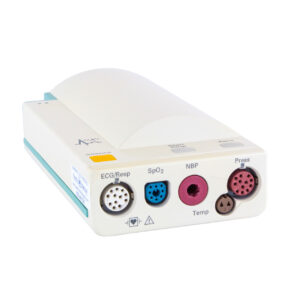
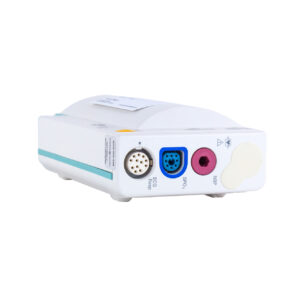
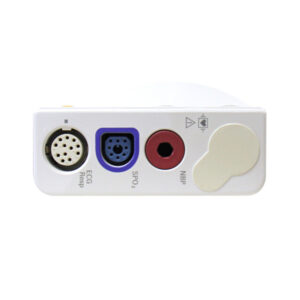
Philips IntelliVue M3001A Multi-Measurement Module | Option A01C18, 12-Lead ECG, FAST SpO2, IBP & Temp
Original price was: $1,095.00.$995.00Current price is: $995.00.
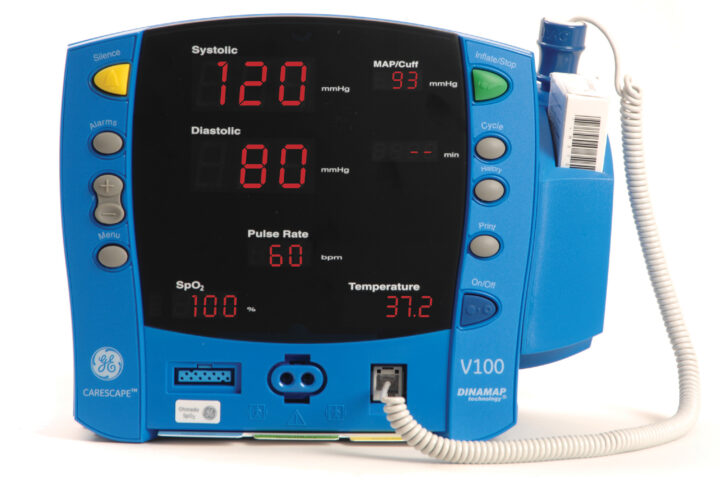
Philips IntelliVue M3001A Multi-Measurement Module | Option A02C12, 12-Lead ECG & Nellcor OxiMax SpO2
Original price was: $1,095.00.$995.00Current price is: $995.00.

Reviews
There are no reviews yet.